Aerospace and Defense Review : News

The future of avionics is expected to revolutionize aviation technology through advancements in AI, connectivity, digitalization, sustainability, and cybersecurity. The future of avionics is expected to be a paradigm shift driven by AI, connectivity, digitalization, sustainability, and cybersecurity. These innovations will reshape aircraft navigation, communication, and operation, enhancing safety, efficiency, and environmental stewardship. Collaboration between industry stakeholders, regulators, and technology innovators is crucial for a sustainable aviation future. Integration of Artificial Intelligence (AI) Artificial intelligence (AI) revolutionizes avionics by improving automation, decision-making, and predictive maintenance. AI algorithms analyze data from sensors, flight instruments, and maintenance records to optimize flight paths, predict failures, and improve fuel efficiency. Machine learning techniques enhance safety and operational reliability in real time. Enhanced Connectivity and Data Sharing Advanced connectivity technologies like satellite communications and high-speed internet will be used in future avionics systems to enable real-time data sharing between aircraft, ground control, and air traffic management systems. This enhances situational awareness, navigation, and collaborative decision-making, facilitating quicker emergency response and improving airspace management efficiency. Digital Cockpit and Human-Machine Interface (HMI) Digital cockpits with advanced human-machine interfaces are revolutionizing pilot interaction with avionics systems. High-resolution displays, touchscreens and intuitive interfaces offer situational awareness, customizable data presentation, and simplified control. Augmented and virtual reality technologies are being explored for enhanced training, simulation, and improved decision-making. Next-Generation Navigation and Surveillance Systems Future avionics will incorporate next-generation navigation and surveillance systems, improving accuracy, reliability, and coverage. Satellite-based navigation systems like GPS and Galileo will continue to evolve. In contrast, advanced surveillance technologies like ADS-B and multilateration systems will enhance aircraft tracking and situational awareness, resulting in safer and more efficient flight operations. Sustainable and Efficient Avionics Solutions The aviation industry is shifting towards sustainability, focusing on energy efficiency and reduced emissions. Innovations like electric and hybrid-electric propulsion systems drive avionics development that minimizes power consumption and carbon footprint, supporting eco-friendly aviation initiatives. Cybersecurity and Resilience Increased connectivity raises cybersecurity concerns. Future avionics systems will incorporate robust measures like secure communication protocols, encryption technologies, and continuous monitoring to protect against potential threats, maintain data integrity, and maintain operational safety and passenger trust. Modular and Scalable Avionics Architectures Modular and scalable avionics architectures offer flexibility and cost-effectiveness in aircraft design and operations. They standardize interfaces and adopt open-system architectures, enabling seamless integration of new technologies, reduced development cycles, and support for fleet upgrades, optimizing lifecycle costs. ...Read more
The future of aviation staffing depends heavily on practical training and development programs. The aviation industry is undergoing significant transformation, driven by technological advancements, evolving workforce dynamics, and the impact of global events. The changes are reshaping the aviation staffing landscape, presenting challenges and opportunities. Technology is at the forefront of these changes. The increasing use of automation and AI is transforming many roles within the industry. Automation is streamlining operations in areas such as check-in, baggage handling, and security screening, reducing the need for human intervention. AI is being used to enhance maintenance operations through predictive analytics, improving aircraft reliability and safety. While automation can reduce specific manual roles, it also demands new skill sets. The aviation industry requires proficient employees to manage and maintain advanced technologies. The COVID-19 pandemic accelerated the adoption of remote work across various sectors, including aviation. While many aviation roles, such as pilots and cabin crew, require physical presence, administrative and support functions have increasingly moved to remote or hybrid models. The trend will continue as digital collaboration tools become more sophisticated and reliable. Aviation companies can hire employees from different geographic locations, reducing the constraints of local labor markets. One of the most pressing issues in aviation staffing is the shortage of pilots and other skilled labor. The pandemic exacerbated this problem, as many experienced pilots took early retirement or left the industry due to uncertainty. As air travel demand recovers, the need for qualified pilots is becoming critical. Aviation companies are exploring various strategies. These include increasing investment in training programs, partnering with flight schools, and offering attractive incentives to retain and attract talent. The aviation industry is recognizing the importance of employee well-being and work-life balance. The demanding nature of aviation jobs, with irregular hours and long periods away from home, can lead to burnout and decreased job satisfaction. Companies increasingly focus on creating supportive work environments, offering mental health resources, and promoting a healthier work-life balance. Innovative approaches, such as flexible scheduling, wellness programs, and improved rest facilities, are being implemented to enhance employee well-being. The initiatives improve job satisfaction, retention rates, and overall performance. Sustainability is becoming a core focus in the aviation industry, driven by increasing environmental concerns and regulatory pressures. The shift towards sustainability is creating new job opportunities, particularly in areas related to green technologies and practices. Roles in environmental management, sustainable fuel development, and energy-efficient operations are becoming more prominent. The push for greener aviation practices also requires existing staff to adapt to new procedures and technologies. Aviation companies invest in advanced training technologies, such as VR and simulation-based training, to provide immersive and compelling learning experiences. Continuous learning becomes crucial for maintaining a skilled and adaptable workforce as the industry evolves. Significant changes and new opportunities mark the future of aviation staffing. Technological advancements, remote work, pilot shortages, employee well-being, sustainability, and enhanced training programs are all shaping the industry. Aviation companies can navigate the challenges ahead and build a resilient and skilled workforce ready to meet the demands of a dynamic sector. Proactive and innovative staffing strategies will be essential for sustaining growth and success.   ...Read more
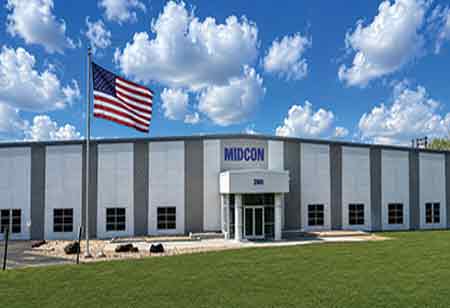
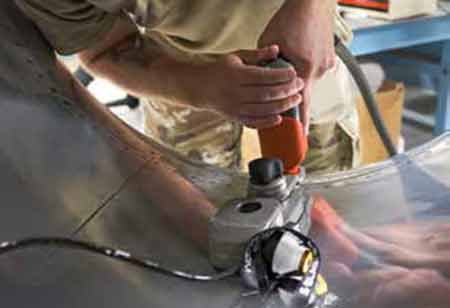
Repair stations uphold the highest safety, reliability, and airworthiness standards in aircraft maintenance and repair operations. Maintaining aircraft and related equipment's safety, reliability, and efficiency is paramount in the aerospace and defense industries. Federal Aviation Administration (FAA) repair stations are crucial in achieving these objectives by providing specialized maintenance, repair, and overhaul (MRO) services. FAA repair stations are subject to stringent regulations and oversight by the FAA, ensuring they adhere to strict safety and quality standards. The regulatory oversight instills confidence among aircraft operators, manufacturers, and regulatory authorities, contributing to the overall integrity of the aviation industry. FAA repair stations employ highly skilled technicians and engineers with aircraft maintenance, avionics, and component repair expertise. Their expertise enables repair stations to diagnose, troubleshoot, and rectify complex technical issues efficiently, minimizing downtime and maximizing the reliability of aircraft and aerospace equipment. FAA repair stations offer a wide range of maintenance, repair, and overhaul services to meet the diverse needs of aerospace and defense customers. From routine inspections and component repairs to major structural modifications and engine overhauls, repair stations provide comprehensive solutions to keep aircraft and equipment in optimal condition. Quality assurance is a cornerstone of FAA repair station operations, with strict quality control measures implemented throughout the maintenance and repair process. Repair stations adhere to industry-recognized quality management systems to ensure their operations' consistency, traceability, and accountability. Through meticulous inspections, testing, and documentation, repair stations maintain the highest artistry and product integrity standards, enhancing the safety and reliability of aircraft and aerospace components. For commercial airlines, military fleets, and other aerospace operators, managing a diverse fleet of aircraft and equipment presents logistical and operational challenges. FAA repair stations offer fleet management solutions tailored to customers' needs, including maintenance planning, component tracking, reliability analysis, and asset management services. Repair stations help optimize fleet performance, minimize unscheduled maintenance events, and extend the service life of aircraft and components. Repair stations collaborate with aircraft manufacturers, technology suppliers, and research institutions to develop and implement innovative maintenance solutions, such as predictive maintenance algorithms, additive manufacturing techniques, and advanced materials. Repair stations contribute to improving aircraft safety, efficiency, and sustainability. With an extensive network of facilities and service centers worldwide, FAA repair stations offer global reach and customer support to aerospace and defense customers wherever they operate. Whether routine maintenance, AOG (aircraft on ground) support, or field service assistance, repair stations provide responsive and reliable support to keep aircraft flying safely and efficiently. Their global presence and 24/7 customer service capabilities ensure rapid response times and minimize disruptions to aviation operations, enhancing customer satisfaction and confidence in their services. FAA repair stations support aerospace and defense operations' safety, reliability, and efficiency.   ...Read more

Featured Vendors