


 Peter Gille, CEO
TurbineAero approaches APU maintenance, repair, and overhaul (MRO) through OEM independence, vertically integrated repair capabilities, and engineering-led work scoping. As an independent APU MRO provider, TurbineAero can pursue multiple sourcing and repair options rather than depend exclusively on a single OEM supply channel. Its in-house capabilities further reduce the need to outsource. Pre-testing each incoming APU also helps the company tailor work to the unit’s condition and the customer’s requirements.
“We can basically be very flexible because there’s nothing much that we have to outsource. We can drive cost out,” says Peter Gille, CEO.
An Integrated APU MRO Operation
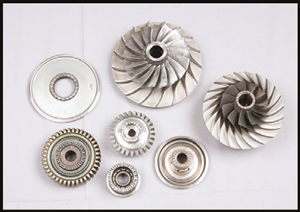
TurbineAero overhauls complete APUs in Chandler, Arizona, and Thailand, with in-house APU component manufacturing, piece-part repair, and line-replaceable unit (LRU) repair. Its capabilities include milling, turning, welding, plasma spraying, brazing, grinding, and repair of pneumatic, fuel, oil, and electrical LRUs. It also manufactures and repairs components for main propulsion engines and industrial gas turbines, including specialized coatings for superalloys, but does not overhaul those complete engines or turbines. Vapor deposition coating is among its more recent capability additions.
These capabilities allow TurbineAero to repair components in-house and control repair decisions and scheduling without relying on outside specialists for every job.
TurbineAero’s independence from OEM supply chains also broadens parts-sourcing options. Depending on the component and customer requirements, the company can pursue a DER-supported repair or an OEM manual repair procedure, source a PMA replacement where acceptable, or find a serviceable or overhauled part in its inventory or the wider market. It also works with international brokers and suppliers or acquires complete APUs to recover usable components. Its supplier network spans the U.S., Europe, China, and Southeast Asia.
-
We can basically be very flexible because there's nothing much that we have to outsource. We can drive cost out.
DER repairs currently play a more prominent role than PMA parts, although acceptance varies by customer and may be affected by leasing-company restrictions. PMA availability also differs by APU platform, with more options for some established models than newer platforms. To address shortages, TurbineAero is working with partners on first- and second-stage turbine blade PMA solutions for APUs serving Boeing 777 and Airbus A330 aircraft.
A Work Scope Built Around Each APU
TurbineAero begins the overhaul process by pre-testing each incoming APU, even when a customer initially requests a complete overhaul. The tests help identify faults present before removal and establish whether installed line-replaceable units (LRUs) remain serviceable. Engineers then share a pre-test report with the customer and use the findings to agree on the final work scope.
 The team can then focus on modules and LRUs that have failed or require attention rather than automatically disassembling the entire APU or bench-checking every component. Parts meeting the required parameters may remain in service. Where vibration concerns or early-failure risks justify it, customers may opt to overhaul otherwise operational components preventively.
The final work scope therefore reflects both the unit’s condition and the customer’s maintenance priorities. Rather than apply a standard overhaul package, TurbineAero develops each work scope around the APU’s condition, the customer’s maintenance priorities and applicable repair requirements. This flexibility depends on substantial engineering and customer-service resources, with each unit treated as an individual maintenance project.
Beyond the Overhaul
When problems arise, TurbineAero’s Thailand and US teams communicate them promptly and works with customers to find a solution. This collaborative approach keeps customers involved in decisions that can affect repair costs, turnaround and APU availability.
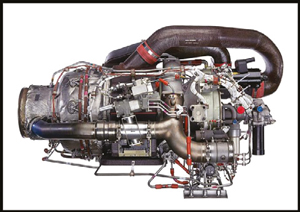 TurbineAero also offers APU leasing and exchanges through pools in the U.S. and Thailand. When its own units are already deployed, it works with specialist leasing partners to find alternatives. These arrangements help customers address APU availability needs while their units undergo maintenance, subject to equipment availability and operational requirements.
TurbineAero supports large commercial aircraft, cargo operators and selected military programs. Its APU capabilities for the Boeing 787 and Airbus A350 remain in pre-development, while the company continues supporting its existing platforms. As it develops capabilities for these newer wide-body aircraft, TurbineAero aims to extend the maintenance options available to operators while retaining its focus on repair flexibility, cost and turnaround.
Choosing an APU Maintenance Provider to Control Repair Costs and Downtime
An auxiliary power unit (APU) repair can take longer than expected when inspection reveals damaged components that are difficult to source. Aircraft operators must then decide whether to wait for the required parts or secure an exchange unit. The lowest initial overhaul quotation may not reflect the full cost of the repair, including the expense of an exchange unit or the operational impact of extended downtime. Executives selecting an APU maintenance, repair and overhaul provider should examine how the shop determines repair scope and secures parts before judging its quoted turnaround time.
An incoming unit's condition is not always apparent from removal records. Fault reports can identify a symptom without establishing whether the underlying problem lies in the core assembly or a line replaceable unit (LRU). Performance testing on receipt helps establish the unit's condition and identify components that remain serviceable. A shop that automatically routes every accessory for repair may add expense without improving reliability. Conversely, retaining a marginal component can create another removal shortly after return to service. The provider should explain how test findings support the agreed work scope and when preventive replacement is justified.
Material availability often determines whether that scope can be completed on schedule. New OEM parts are only one route. Depending on approved repair data and customer restrictions, shops may use repaired components or serviceable inventory from alternative sources. Each carries documentation requirements and different acceptance conditions, especially for leased aircraft. Procurement teams should establish which alternatives their technical department and lessor permit before induction. A provider's sourcing network is valuable only when incoming components meet the required traceability and airworthiness standards.
“TurbineAero can draw on in-house repairs and independent parts sourcing, including approved alternatives where customer requirements permit.”
Repair depth can reduce exposure to external shop queues. Facilities that perform piece-part work and line replaceable unit repairs internally have greater control over scheduling than those dependent on multiple subcontractors. Yet the presence of machinery alone says little about approved repair capability for a particular APU model. Buyers should examine the supported processes and test arrangements alongside actual component coverage. The resulting estimate should distinguish repairable damage from parts that must be replaced and show how changes will be approved.
A grounded aircraft cannot always wait for the original APU to return. Lease pools and exchanges can preserve aircraft availability, but their commercial terms require examination. Lease duration and return conditions can alter the overall maintenance bill. Fleet managers should also confirm platform coverage rather than assume that broad commercial aviation experience extends to every current aircraft type. Clear progress communication becomes essential if inspection results or parts shortages change the promised delivery date.
TurbineAero overhauls complete APUs at its facilities in Chandler and Thailand, supported by internal component and line replaceable unit repair capabilities. It pre-tests incoming APUs and shares findings with customers before agreeing on the final repair scope, helping determine which assemblies require attention. TurbineAero can draw on in-house repairs and independent parts sourcing, including approved alternatives where customer requirements permit. Its facilities maintain lease APU pools and arrange exchanges or supplementary leases through partners when needed. Its current support covers numerous large commercial aircraft platforms but excludes Boeing 787 and Airbus A350 APUs, which remain development targets. Airlines and fleet maintenance teams balancing turnaround time against repair cost and temporary APU availability are particularly relevant customers.
...Read more
| Share this Article: |

Company
TurbineAero
Management
Peter Gille, CEO
Description
TurbineAero is an independent APU maintenance, repair, and overhaul provider serving commercial aviation and selected military programs. Combining flexible parts sourcing with vertically integrated repair and manufacturing capabilities, the company helps operators navigate parts shortages, tailor repair scopes to actual component condition, and manage maintenance costs and turnaround times.
