


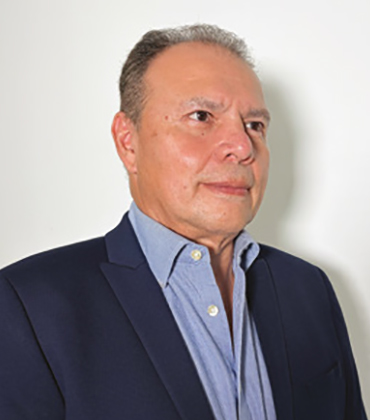
 Hugo O Guiraud, Director
“We really take care of making sure that they accomplish the objectives of becoming an airline pilot, and a good one,” says Hugo O Guiraud, director.
Flightmaxx emerged from a gap in Panama’s aviation training environment. Unreliable simulators had disrupted its founder’s instrument training, prompting the purchase of a Redbird simulator. During certification, the Civil Aviation Authority suggested establishing a flight school rather than pursuing simulator-only approval. It began with two students and grew into an operation with its own facilities and aircraft.
FlightMaxx was established to avoid an assembly-line model in which students move through training stages without sufficient attention to their development. It has retained small classes, limiting each group to 10 students. Across morning and afternoon sessions, a course generally accommodates 20 to 22 students. The curriculum contains private pilot, instrument, commercial and multi-engine certification, Advanced Commercial (ATP) and Jet transition with Multi-crew coordination instruction customized to each student's development.
One student arrived after another school had advised her to abandon her ambition of becoming a pilot. She had logged approximately 40 flight hours but had not flown solo. FlightMaxx accepted her and supported her progression into commercial and multi-engine training. She later applied to an AirMed operator and was awaiting the next stage of selection. Her progress reflects the school's willingness to look beyond early setbacks and give students the support they need to move forward.
Technical Training for Modern Commercial Aviation
FlightMaxx supplements its standard curriculum with instruction on systems and procedures used in commercial aircraft. Students work with Garmin avionics, glass cockpits and autopilot systems, while learning performance-based navigation, GPS, RNAV and RNP approaches. The instruction helps them become familiar with the equipment, interpret the information it displays and understand the systems that support its operation.
-
We really take care of making sure that they accomplish the objectives of becoming a pilot, and a good one.
Preparation goes beyond cockpit displays. Students study jet aircraft pneumatic and hydraulic systems, high-speed aerodynamics and weight-and-balance calculations for larger aircraft. Such subjects deepen their understanding of the aircraft they may operate.
Professional Standards and Continued Development
Flightmaxx treats professional conduct as part of pilot preparation. Students are expected to be punctual, wear appropriate uniforms and follow established procedures. From their first classes, they are made aware of the responsibility pilots carry for the lives of their passengers, reinforcing the seriousness and discipline expected of the profession.
Several instructors are former airline pilots, bringing airline experience to students. FlightMaxx requires instructors to have approximately 1,000 flight hours before providing in-flight instruction. Those below that threshold may teach theory and simulator sessions. The requirement gives students the opportunity to learn from instructors who have spent considerable time flying and understand the demands of the profession firsthand.
FlightMaxx has acquired a Boeing 737NG800 flight training device and introduced jet-transition training. It is considering fleet renewal with new aircraft equipped with glass cockpits and automation. The school is also working toward a proposed frozen Airline Transport Pilot License pathway, which would require regulatory changes in Panama. Students would complete theoretical training before accumulating the hours required for a full ATP.
Preparing commercial pilots involves more than meeting licensing requirements. It requires the skill to interpret aircraft systems, make sound decisions and understand the responsibility of carrying passengers. FlightMaxx builds these demands into its training through individual attention, experienced instruction and technical preparation beyond basic qualification. This combination underpins its recognition as Top Aviation Training Services in Latin America 2026.
| Share this Article: |
Company
Flightmaxx
Management
Hugo O Guiraud, Director
Description
Flightmaxx is a Panama-based aviation training school offering private, instrument, commercial and multi-engine pilot training. Combining practical flight instruction, advanced simulation and modern avionics education, it prepares aspiring pilots to develop technical competence, sound judgment and professional standards for commercial aviation.
