
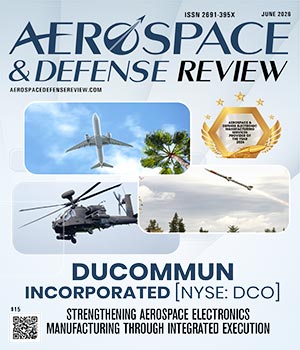
Aerospace and defense electronic manufacturing is defined by how engineering, production, validation and lifecycle support operate as a coordinated system. Reliability is no longer established solely at the component level. It is achieved through process discipline, end-to-end visibility and embedded validation across the manufacturing lifecycle. As platform complexity increases and regulatory requirements tighten, manufacturers are expected to sustain precision and consistency across extended program timelines. Ducommun Incorporated [NYSE: DCO] aligns with this shift by structuring electronic manufacturing as an integrated execution model spanning engineering, production, validation and long-term support. Rather than treating these as discrete functions, the company maintains continuity from design intent through production and into operational use, ensuring stability across programs that demand both technical precision and reliability. Engineering-Led Manufacturing and Controlled Execution Ducommun Incorporated’s electronic manufacturing services include printed circuit board assembly, system integration and aftermarket support. These capabilities support high-reliability assemblies used across commercial aerospace, defense and industrial applications, where performance requirements outweigh production scale.
A&D Manufacturing
What role does in-house control play in ensuring reliability in aerospace manufacturing? Aero Component Engineering is a specialized aerospace parts manufacturer focused on high-performance hose and fluid system components. Built around a hands-on, control-driven production model, it delivers consistent quality, reliable lead times and predictable performance for aircraft operators. Keeping critical production in-house allows customers to benefit from shorter lead times and greater cost predictability. In an industry where delays ripple quickly, this level of control becomes a strategic advantage. Aero Component serves everyone from single aircraft owners to large corporate operators, proving that size doesn’t dictate capability, but discipline and reliability do. For nearly 60 years, Aero Component Engineering has built its reputation the same way it builds its hose assemblies, carefully, consistently and with pride. Building Quality into Every Step How does structured quality management support consistency and compliance across aerospace operations? The focus on quality and control extends across every part of the operation, from machining and assembly to inspection, documentation and customer service. Supported by AS9100 and ISO 9001 certifications, the company has developed a structured, audit-ready environment that protects traceability, regulatory alignment and accountability across every order.
A&D Manufacturing
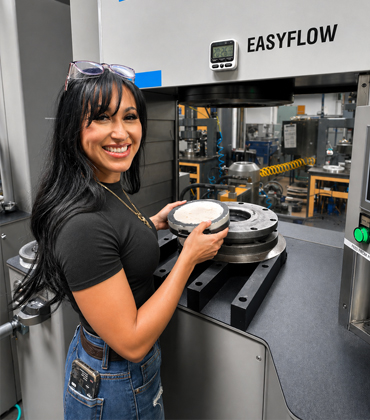
How does additive manufacturing create internal surface challenges requiring specialized finishing processes? Additive manufacturing has transformed aerospace design, enabling engineers to easily build complex internal parts that are far more intricate than before. This innovation, however, introduces a new challenge, rough passages that limit air or fluid flow and reduce efficiency. Extrude Hone AFM specializes in polishing these hard-to-reach pathways in both machined and additively manufactured parts for aerospace and defense companies, where high performance and efficiency are expected. Why is abrasive flow machining essential for improving internal passages in aerospace components? Rocketry is the clearest example of where Extrude Hone AFM’s work matters most. It has been involved in streamlining parts on nearly every rocket launched in the last 15 years. Abrasive flow machining (AFM) is crucial in the aerospace and defense sector as additive parts tend to have rough passages inside. The job is often simple, but traditional machining and polishing cannot reach these areas. This is where Extrude Hone AFM’s expertise comes into play. “We try new things and think outside the box to get the job done for our customers,” says Will Melendez, manager. What process allows abrasive media to polish internal passages unreachable by conventional machining? The process uses a polymer material, like Silly Putty, mixed with silicon carbide abrasives. For each tool or part, Extrude Hone AFM makes a custom fixture to guide the media through the targeted passage. A hydraulic machine holds the abrasive media, which changes depending on the passage and the finish the customer wants. Once everything is ready, the hydraulic setup clamps the part and pushes the media back and forth through the part to polish and deburr the internal walls.
Aviation
In the high-stakes world of private aviation, it’s easy to get caught up in glossy brochures and flashy jets. But Paradise Jets, under the steady leadership of Senior Vice President Cynthia Thomas, is rewriting that script. The company’s approach isn’t about selling aircraft or flight hours—it’s about listening, planning, and becoming a trusted partner in its clients’ long-term travel strategies. From its base as a certified Part 135 charter operator to managing a fleet of diverse aircraft and offering unique co-ownership options, the company seamlessly blends strategic advising with end-to-end implementation. The result is a rare mix of sophistication and reliability that has resonated with high-profile clients across the globe. At the heart of Paradise Jets is the conviction that no two travelers are the same. Some clients are time-pressed executives juggling multi-city meetings in a single day; others seek the serenity of leisure travel without sacrificing flexibility. Paradise Jets digs deep into each client’s unique situation, posing the essential questions: How often do you fly? How many passengers typically accompany you? Is this for business, leisure, or a mix of both? The answers inform a customized strategy—whether it’s full ownership, block charter, or participation in the company’s innovative co-ownership program. “Our hands-on, analytical process is not just theoretical,” says Thomas. “Paradise Jets doesn’t stop at providing recommendations—we put them into action. If a client opts for ownership, we manage the entire acquisition process: helping select the right aircraft, overseeing pre-buy inspections, ensuring regulatory compliance, and placing the jet under our operational certificate.” For clients who prefer flexibility, the co-ownership model allows access to aircraft without the full burden of ownership—no monthly fees and a favorable buyback option included. It’s this careful balance of strategy and action that enables Paradise Jets to fulfill the unique missions of clients, every time. One of the company’s longstanding client relationships illustrates this commitment. A business traveler initially came to Paradise Jets out of frustration— frequent maintenance issues, unreliable crews, and even aborted takeoffs were making private travel more stressful than seamless. What began as a consultation quickly evolved into full-service management. Paradise Jets evaluated the client’s needs, provided more reliable aircraft, and eventually assumed full responsibility for their travel logistics. The client can now visit multiple locations in a day and return home in time to tuck their children into bed—a mission Paradise Jets proudly supports.

Aerospace and Defense Manufacturing

An Operator Walks Up to a Machine Tool
Paul Guerrier, Manufacturing Engineering Manager, Moog Inc[NYSE: MOG-A]
Aerospace and Defense Electronics

Change is the only Constant
Robert Benefield, Manager, Maintenance Training, CommuteAir
A&D Suppliers & Distributors

Driving the Future of Manufacturing With AI and Digital Transformation
Andy Mears, Manufacturing Engineering, Sr. Manager - Operations Transformation & Intelligent Factory, Lockheed Martin
Avionics
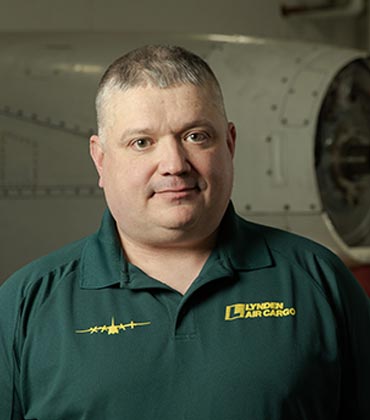
Charting the Future: Strategic Insights For Hercules Avionics Upgrade
Milton Beaver, Director of Maintenance, Lynden Air Cargo
Aircraft Engine

Building a Safety-First Maintenance Culture
Felipe Aguiar, Product Support Engineer, Embraer

IN MY OPINION
Aviation Staffing
Future-Proofing Airport Safety: Intersection of Innovation, Regulation and Leadership
Travis Krabbenhoft, Director of Airport Safety & SMS Manager, Denver International Airport

LAST WORD
Aviation
Leadership, Safety, and the "Human Envelope"
Paul Smith, Director of Flight Test and Operations, Acubed
IN FOCUS
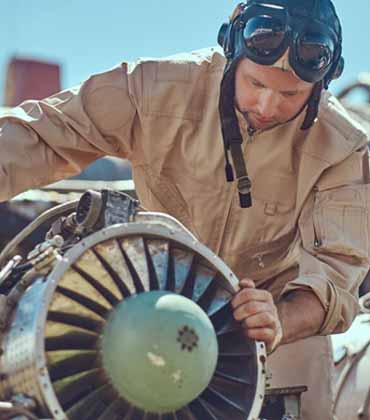
Aerospace Component Refinement: Enhancing Abrasive Flow Performance Standard
Aerospace abrasive flow machining enhances precision, efficiency, and sustainability by refining complex components through advanced media control, automation, simulation, and material-adaptive technologies.
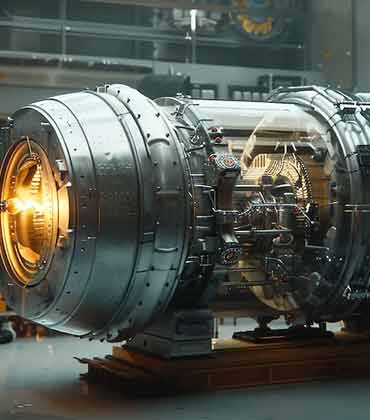
Aerospace Manufacturing Solutions Driving Advanced Industrial Transformation
Aerospace manufacturing solutions improve automation, engineering precision, sustainability, compliance and innovation across evolving global aerospace production environments.
EDITORIAL
Advancing Precision Through Integrated Manufacturing
At the center of this issue is the complimentary cover story on Ducommun Incorporated [NYSE DCO], recognized for its leadership in aerospace and defense electronic manufacturing services. The company has established a model where engineering engagement begins early, aligning manufacturability with performance requirements across complex programs. By integrating production, testing, and lifecycle support, Ducommun sustains precision, traceability, and compliance across demanding environments, reinforcing its role in mission-critical systems.
This issue also recognizes Extrude Hone AFM, awarded Top Aerospace Abrasive Flow Machining Service 2026, for improving internal surface finishing across complex aerospace and defense components. Featured alongside is Aero Component Engineering, honored as the Top Aerospace Manufacturing Solutions Provider 2026. The company has built a control-driven manufacturing model focused on aerospace hose assemblies and fluid system components, combining in-house production, rigorous quality systems and responsive customer support to deliver predictable performance, reliable lead times and operational consistency across commercial, corporate and defense aviation.
Leadership perspectives further enrich this discussion. Felipe Aguiar, Product Support Engineer at Embraer, emphasizes that maintenance safety is driven by culture, where training, communication, and leadership shape reliable operations beyond compliance. Andy Mears, Manufacturing Engineering, Sr. Manager - Operations Transformation & Intelligent Factory at Lockheed Martin, highlights the growing role of data analytics and artificial intelligence in manufacturing, where predictive insights are transforming production environments.
Together, these perspectives reflect an industry direction where integration, precision, and innovation define sustainable performance. We invite readers to explore this issue and engage with the ideas and innovators advancing aerospace and defense manufacturing.
