The aviation sector depends on precision, reliability, and consistent quality across every stage of manufacturing and maintenance. From structural components to specialized assemblies, each element must meet demanding performance expectations while supporting operational efficiency. Within this environment, aviation welding services play a critical role in ensuring that aircraft components are manufactured, repaired, and maintained according to exact specifications.
Top Aviation Welding Service 2026
Aviation welding services help aircraft operators and maintenance teams repair specialized components with precision and regulatory care. With a focus on weld quality, material compatibility, inspection readiness and turnaround reliability, they support safer aircraft performance and more dependable maintenance operations.
Solutions
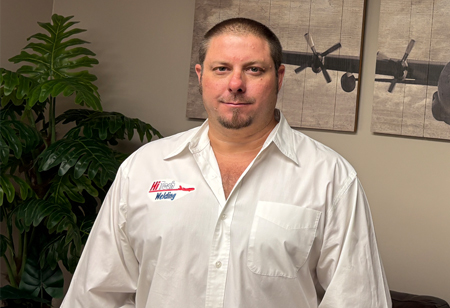
Hi Tech Welding
Repairing the Parts That Can't Be Replaced
Wayne Amodie Jr.,, Owner, Aerospace Repairman / Welder
When a customer ships a damaged aerospace component to Hi Tech Welding, there often isn't another one waiting on a shelf. If the repair fails, replacing the part may be difficult, expensive, or, in some cases, impossible. In those situations, the repair itself becomes the only path forward, leaving little room for error and even less room for guesswork.
State of Industry
Deep Dive
Choosing Aviation Welding Services for Irreplaceable Aircraft Parts
Aviation welding decisions often begin after the easy option has disappeared. A component arrives from an aircraft system or engine assembly, and replacement stock is unavailable or tied up in a long procurement cycle. The repair order is no longer a routine purchasing task. It becomes a judgment about whether a shop can return a part to service without turning scarcity into scrap.
Leadership Perspective

Wheels Up
Quality in Aerospace Starts with Critical Thinking
Chad Castanheiro, VP of Engineering & Quality Assurance
Chad Castanheiro VP of Engineering and Quality Assurance at Wheels Up brings experience in private aviation software and aerospace modernization. His leadership emphasizes critical thinking collaboration and trust guiding teams to balance innovation with safety compliance and reliability across complex operations.
Aviation Welding Service News
Documentation Shapes the Repair Decision
Friday, October 09, 2026
A welded aircraft component may look ready to return to service, but the repair itself is only part of the job. Maintenance teams need a clear record of what was done and which instructions were followed. For buyers using aviation welding services in Florida, missing paperwork can hold up a component even when there is no obvious concern about the weld.
Aviation welding is different from general fabrication because the repaired part must re-enter a controlled maintenance process. The provider needs to follow the appropriate repair instructions and produce records tied to that specific component. A broad note saying that welding was completed may not be enough when another technician reviews the part months or years later.
Problems often begin when the component first reaches the shop. It may arrive with visible damage but limited information about its service history. Earlier repairs might not appear in the paperwork. Before starting, the provider has to decide whether the available information is sufficient. Beginning the work without resolving those questions can make the repair harder to document afterwards.
Turnaround time and price tend to receive the most attention when buyers compare providers. Neither reveals much about how a shop handles repair records. A lower quote may leave out inspection work or paperwork that the customer expected to receive. That gap may not surface until delivery, when the buyer asks for documents that were never included in the agreed scope.
A clear work order can prevent this problem. It should identify the component, explain the basis for the repair and specify the documents to be provided. If the inspection reveals more damage than initially reported, both sides can refer to the agreed scope before deciding how to proceed.
Traceability becomes more difficult when a shop is handling several similar parts. Components may look nearly identical while carrying different repair histories or allowable limits. Each one must remain correctly identified from intake through final release. A label has little value if it becomes separated from the component during the job.
Outside processing can create another gap. A welding shop may send one stage of the work to another provider because the required process is not available internally. The customer should understand how the resulting records will be added to the final repair package. If that responsibility is left unclear, questions can be difficult to resolve after delivery.
The issue also matters when aircraft or components move between maintenance locations. The employee receiving the repaired part may have had no involvement in approving the work. Complete records allow that person to understand the repair without relying on someone else’s memory or an informal conversation.
Procurement teams can address these concerns before an urgent repair is on the bench. Asking whether a provider performs a particular welding process is a starting point, but it is not enough. Buyers should also find out how the shop tracks component identity and communicates work that falls outside the original scope.
The quality of an aviation welding service cannot be judged only by the finished weld. The repair also has to pass through the customer’s maintenance system without creating unanswered questions. Agreeing on documentation requirements at intake can prevent a completed component from being delayed by paperwork.
Turnaround Promises Need Clear Boundaries
Friday, October 09, 2026
When an aircraft component is removed unexpectedly, the maintenance schedule can tighten almost immediately. The buyer wants the welding work completed as quickly as possible, but the repair shop first has to inspect the damage and determine what the job involves. This makes turnaround time one of the hardest issues to settle when purchasing aviation welding services in Florida.
The first completion estimate is usually based on the customer’s description of the component. Once the shop receives it, the damage may look different from what was originally reported. It could extend beyond the visible area, or an earlier repair could limit the available options. At that point, the original timeline may no longer match the work in front of the shop.
Urgent requests also tend to produce vague commitments. A customer asks for priority service, and the provider agrees to start immediately. That does not necessarily establish when the inspection will be completed or what happens if more damage is found. The shop may respond quickly, but without being able to return the component by the date the customer expected.
Timing matters because welding is only one part of the maintenance schedule. The component must be removed and later reinstalled, while the necessary hardware must also be ready. If the welding work runs late, technicians may be left waiting even though everything else has been prepared.
Repair shops face pressure on their side as well. Making room for an urgent job can mean rescheduling work already in the queue. If the new component requires more attention than expected, those changes may affect several other jobs. A provider that commits to a firm delivery date before seeing the part risks missing more than one deadline.
Buyers can plan more accurately by treating response time and completion time as separate commitments. A shop may be able to inspect the component quickly without promising an equally fast repair. That early assessment is still useful. It gives the maintenance team enough information to decide whether to proceed or look at another option.
The schedule may also depend on items beyond the welding work. A required fixture or approved supporting material might not be readily available for a particular component. The provider should confirm these requirements before giving a final delivery estimate. Available shop time means little if something needed for the repair is missing.
Communication becomes especially important when the scope changes. Customers do not need updates at every stage if the job is progressing as expected. They should, however, know when the provider will report additional damage or a likely delay. Otherwise, the maintenance team may continue working toward a date the shop already knows it cannot meet.
Service agreements can make urgent requests easier to manage. They should explain how priority work is placed in the queue and what that status actually provides. An early inspection slot is not the same as reserved repair capacity. Customers need to understand the difference before an aircraft is left waiting for the component.
Florida buyers should view turnaround time as a series of stages rather than one promised number. The shop knows more after intake and inspection than it does when the first call arrives. A revised schedule may be less appealing than an immediate commitment, but it gives the maintenance team a more reliable basis for planning.
Capability Claims Require Component-Level Review
Friday, October 09, 2026
A welding shop may promote its experience in aviation, but that does not mean it can repair every aircraft component. Buyers need to know whether the provider can work with the specific material and type of damage involved. Florida maintenance teams should confirm this before comparing quotes.
Broad service categories can hide important differences between jobs. Two components may both require welding, but each could call for a different preparation method or acceptance standard. Experience with one aircraft repair does not necessarily apply to another. Relying on a general service description can lead buyers to send a component to a shop that later has to reject or outsource the work.
Identifying the material is often one of the first difficulties. A customer may describe the component without providing enough technical information to confirm the correct welding process. A visual inspection may not provide a definite answer. The shop might need drawings or other supporting records before deciding whether it is equipped to take on the repair.
Suitable equipment does not settle the question either. The provider also needs qualified personnel for the process involved. A shop may have the necessary welding equipment but lack staff with the relevant qualifications or availability to complete the job within the requested timeframe.
This can make procurement difficult because service pages tend to describe capabilities in broad terms. They may confirm that a shop offers aviation welding without explaining the limits of that work. A website description should therefore be treated as a starting point. Final confirmation should come only after the provider has reviewed the actual component and repair requirements.
The scope can also change once cleaning or inspection exposes more of the damaged area. A repair that initially appeared routine may no longer fall within the shop’s accepted limits. If that happens, the provider should stop the work and contact the customer. Changing the process without approval simply to keep the job moving creates a more serious issue than revising the original scope.
Some shops may handle the full assignment while sending one stage to an outside provider. This is not necessarily a concern, but the buyer should know which work will leave the shop and how the subcontractor is chosen. That information helps clarify who is responsible for each part of the job.
Buyers can make the review more reliable by sharing accurate component details during the initial inquiry. Photographs can support an early conversation, but they may not provide enough information to approve the work. The provider should clearly explain what documents or technical details it needs before accepting the repair.
Relevant experience can strengthen the case for using a particular shop. However, previous work on unrelated aircraft parts offers limited assurance. Experience with the same material or repair basis gives buyers a much clearer indication of whether the provider is suitable. This can be established without asking the shop to disclose confidential customer information.
Florida aviation buyers should assess providers against defined types of repair before an urgent requirement arises. Giving a shop general approval may be convenient, but it can create false confidence when an unfamiliar component needs attention. A shorter list of providers with clearly understood capabilities is more useful than a larger one based on broad claims.
Aviation Welding Service Info
Q1
What Do Top Aviation Welding Services in Florida Provide?
Top Aviation Welding Services in Florida support the manufacture, repair, modification and maintenance of aircraft-related metal components and assemblies. The work requires controlled welding processes, accurate preparation and careful inspection because welded joints can affect structural integrity, durability and service performance. Providers may support aerospace manufacturers, maintenance organizations and other aviation operations where repeatable workmanship is essential. The objective is not simply to join materials, but to produce a controlled result that performs reliably in its intended application.
Q2
What Services Are Included in Aviation Welding?
Aviation welding services can cover component repair, structural welding, fabrication, modification and restoration work, depending on the application, material, component geometry and repair objective. Processes are selected according to the metal, joint design, component requirements and applicable specifications. Top Aviation Welding Services in Florida also need procedures for preparation, welding, inspection and documentation that help maintain consistency from one job to the next. Clear records and traceable quality checks can further support maintenance and production teams when work must be reviewed later.
Q3
Why Is Demand for Aviation Welding Services Growing?
Demand is influenced by aircraft maintenance requirements, component repair needs, manufacturing activity and the continuing focus on keeping aviation assets serviceable. Operators and manufacturers increasingly need specialized capabilities that can address repairs without creating unnecessary delays in wider maintenance or production schedules. This makes Top Aviation Welding Services in Florida relevant to organizations seeking dependable technical support as aviation operations place sustained emphasis on safety, reliability and asset availability.
Q4
How Should Aviation Welding Providers Be Evaluated?
Evaluation should go beyond price. Organizations can consider technical competence, welding quality, process control, inspection practices, documentation, turnaround expectations and the provider's ability to work with aviation-specific requirements. Experience with comparable materials and applications can also matter. For Top Aviation Welding Services in Florida, consistent execution and clear communication are important indicators of whether a provider can support demanding production or maintenance environments.
Q5
How Do Aviation Welding Services Create Operational Value?
Effective welding work can help extend component usability, support repairs and reduce avoidable interruptions associated with damaged or worn parts. Reliable workmanship can also limit rework, improve consistency and support maintenance planning. For organizations using Top Aviation Welding Services in Florida, these outcomes can translate into better control over downtime, repair quality and overall asset performance. They can also help maintenance teams make repair decisions with greater confidence while keeping technical requirements central to each job.
Q6
What Role Do Technology and Expertise Play in Aviation Welding?
Expertise remains central because aviation welding requires decisions about materials, heat control, joint preparation, process selection and inspection. Technology can strengthen this work through improved equipment, monitoring, measurement and quality-control practices. Top Aviation Welding Services in Florida can therefore contribute more effectively when skilled personnel, disciplined procedures and appropriate technology work together to produce repeatable results for safety-critical applications.
